
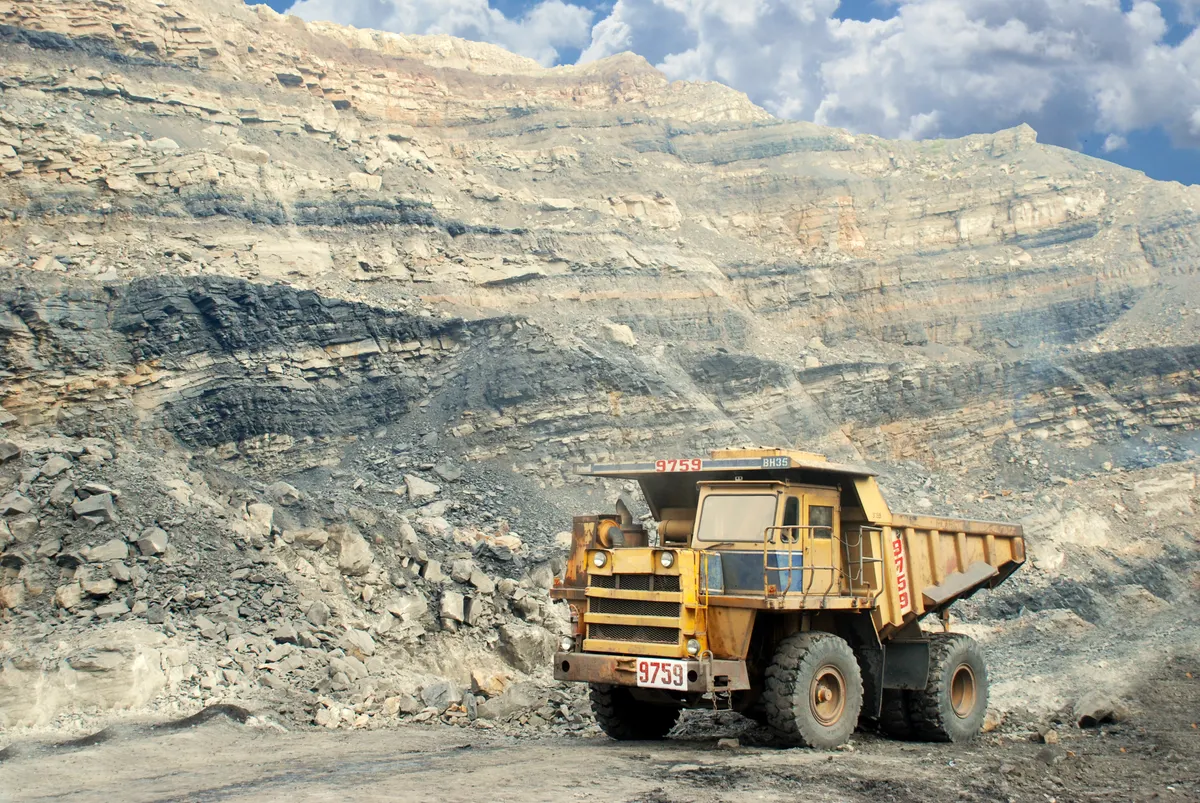

Investors holding AMRQ shares learned this morning that Amaroq’s interim results confirm the Greenland gold miner is progressing as planned, with the Nalunaq mine advancing and a string of corporate moves completed in the period to June 30.
What the Amaroq Interim Results Actually Show
The headline from Amaroq’s update is straightforward: no nasty surprises, no slippage on key milestones. For a junior miner at this stage of development, that is exactly what holders need to hear.
The numbers behind the results come from the company’s unaudited interim consolidated financial statements. For the nine months ended September 30, 2024, Amaroq recorded a net loss and comprehensive loss of C$18,001,712, bringing the accumulated deficit (the running total of losses since incorporation) to C$92,529,842, up from C$74,528,130 at the start of that financial year on January 1, 2024.
Losses of this magnitude are not unusual for a pre-cashflow mining developer, but they are worth watching. The rate at which that deficit grows will slow materially once Nalunaq reaches steady-state production.
One line item worth unpacking: the departure of CFO Jaco Crouse, effective June 3, 2024, triggered the reversal of C$566,875 in previously recognised RSU (restricted share unit) award vesting charges. RSUs are a form of deferred equity pay; when an executive leaves before they vest, the accounting charge is unwound. The net effect is a one-off credit to the income statement, though it does not change the underlying cash position.
During the same nine-month period, Amaroq raised C$75,574,600 in gross proceeds (proceeds before fees are deducted) through a share issuance, incurring share issuance costs of C$1,218,285. A further fundraising closed on June 30, 2025, though specific proceeds from that transaction have not yet been disclosed in the documents reviewed here.
Key Milestones and New Deals in the Period
Beyond the financials, the period saw Amaroq complete several moves that reduce operational and political risk. An Impact Benefit Agreement was signed with the Government of Greenland on June 27, 2024, according to the company’s full-year management discussion and analysis, and was expected to be formalised by June 30, 2025. Agreements of this type give a miner the social and regulatory licence to operate in indigenous territories, so locking one in is a genuine de-risking step.
Amaroq also doubled its revolving credit facility to US$70 million, according to a press release reported via Yahoo Finance and GlobeNewswire. A revolving credit facility works like a corporate overdraft: Amaroq can draw on it, repay, and redraw as project cashflows require. Doubling the limit gives the company considerably more financial flexibility as Nalunaq moves through its ramp-up phase.
On the growth side, Amaroq agreed in June 2025 to acquire the Kangerluarsuk zinc-lead-silver project from 80 Mile for up to US$2 million. The structure is US$500,000 in Amaroq shares on completion, plus a further US$1.5 million in cash or shares contingent on discovery of an economic deposit. The contingent element means Amaroq is not committing the full US$2 million upfront: if no economic deposit is found, the additional payment does not fall due.
Amaroq completed a change of domicile jurisdiction on June 19, 2024, having originally been incorporated under the Canada Business Corporations Act on February 22, 2017. The company’s Q3 2024 financial results were published on the London Stock Exchange on November 13, 2024.
For holders already in AMRQ, the read-across from today’s update is that the investment thesis remains intact: mine advancing, balance sheet supported, and the political framework around Greenland operations strengthened. The next test will be whether Nalunaq production costs continue to fall toward the targets management has set, and whether the June 30, 2025 fundraising proceeds translate into accelerated development spend in the quarters ahead.
