

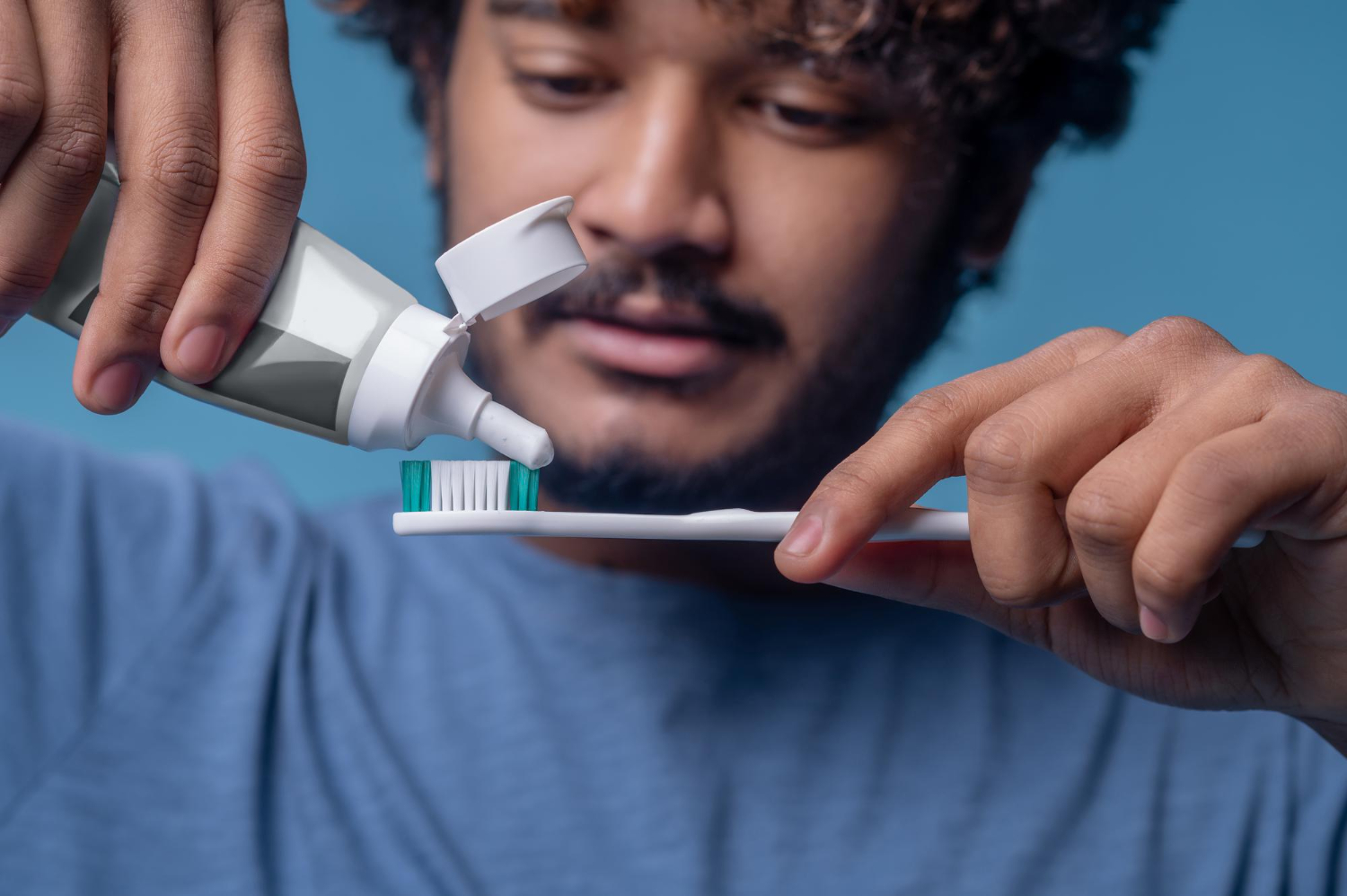

Families who proudly choose products labeled as gentle and naturally friendly have made Hello toothpaste a household favorite thanks to its brightly colored tubes, playful fonts, and flavors that seem remarkably similar to candy. When the paste tastes like watermelon or bubble gum, parents enjoyably describe how brushing feels less like a chore and more like a treat. This change has led to notable brand success, especially for reluctant toddlers.
However, a number of lawsuits have surfaced behind that amusing messaging, most notably claiming that certain Hello Kids products may minimize important safety information. The child-focused branding of the toothpaste, according to the plaintiffs, may encourage children to swallow it instead of spit it, greatly increasing the likelihood that they will consume more fluoride than is advised for young children.
| Key Information | Details |
|---|---|
| Company | Hello Products LLC (owned by Colgate-Palmolive) |
| Core Allegations | Misleading marketing, unsafe levels of metals in kids’ toothpaste, unclear fluoride warnings |
| Lawsuit Examples | Miller v. Hello; Browne v. Hello; Barton v. Colgate-Palmolive; Flaherty v. Hello |
| Products Under Scrutiny | Dragon Dazzle, Unicorn Sparkle, Fresh Watermelon toothpaste, Kids Fluoride Rinse |
| Claimed Health Concerns | Potential ingestion risks, exposure to lead and mercury |
| Current Consumer Guidance | Monitor official notices; consider alternative products if unsure |
| Reference Link | ClassAction.org (Hello Lawsuit Updates) |
Concerns about Hello Kids Fluoride Rinse were first brought to light by the filing of Miller v. Hello. Parents believed the rinse was safe for kids who might not fully understand how to spit, according to the attorneys. Critics contend that messaging should be extremely clear because consuming too much fluoride can lead to stomach discomfort, dental fluorosis, and long-term effects.
Another Texas lawsuit, spearheaded by the state’s attorney general, contested Hello’s apparent promotion of fluoride products as safe for young children without stressing any warnings. The business reached a settlement while denying any wrongdoing, which is a typical tactic used by companies to advance swiftly without suffering long-term harm to their reputation.
Independent testing acted as a trigger for additional claims as worries persisted. Allegations that some Hello Kids toothpastes had abnormally high levels of lead and mercury were made in Browne v. Hello Products. Consumer safety organization Lead Safe Mama reported results that were higher than EPA reference levels for other products aimed at children. It should come as no surprise that parents who saw those figures reacted with urgency and shock.
According to one California lawsuit, Barton v. Colgate-Palmolive, if these risks had been publicly disclosed, families would never have bought the products. The plaintiffs contend that charming characters like sharks and unicorns, along with sweet, vibrantly packaged formulas, give the impression of harmless delight. This impression is particularly persuasive to young children who might want more toothpaste like a flavored treat. Although this design works incredibly well for marketing, it may inadvertently make it difficult to distinguish between an edible reward and a hygiene product.
A mother revealed on a parenting forum that she experienced intense guilt upon discovering that her toddler’s preferred toothpaste was mentioned in a grievance. The child’s doctor suggested a blood test. Fortunately, it returned to normal. Her experience, however, serves as an example of how easily confidence can be betrayed when products intended for children are questioned.
Another theme that runs through all of these instances is the use of labels that state that there are “no artificial sweeteners.” In Illinois, plaintiffs contend that ingredients like sorbitol and xylitol can be legitimately regarded as artificial, defying the product’s stated promise. According to the lawsuit, this labeling made it more difficult for them to choose a product that was truly in line with their natural preferences.
Many families have been reminded by dentists that when children develop good brushing habits, fluoride is a very effective way to prevent cavities. Because of this, cases like these are about responsible guidance rather than anti-fluoride. Strong clarity should be combined with particularly creative packaging, especially when children are involved.
No widespread recall has been issued, despite the headlines. Not safety findings, but labeling errors led to the voluntary removal of some batches. Authorities are keeping an eye on the situation. Their participation, which is naturally comforting, shows that supervision is still involved and active.
As I read these cases, I found myself stopping to consider how quickly trust matters once it is questioned and how easily trust is built when a brand feels approachable rather than clinical.
Products that taste better, look better, and promote positive routines are what parents want most of all. Innovative companies have embraced this goal, turning brushing in the morning and before bed into a fun game for kids. However, any business that interacts with kids in such a direct way has to take on more responsibility. Safety must surpass expectations rather than just meet them.
According to legal experts, future packaging could be significantly enhanced with more transparent ingredient disclosure and clearer usage instructions if the plaintiffs win. Every parent looking through shelves and every child gaining independence in front of the bathroom mirror would probably benefit from such adjustments, which are very effective at boosting confidence.
A more positive future can be shaped by more robust monitoring and customer feedback. When guided by evidence-based regulation and open communication, toothpaste with exceptional safety and inventive charm can coexist peacefully. Companies that are open to listening and making adjustments can become surprisingly powerful, gaining respect, reassuring consumers, and ultimately assisting children in maintaining their unwavering smiles.
Families who must navigate these headlines deserve trustworthy assurance. They keep brushing their kids’ teeth and make deliberate decisions each day. Businesses like Hello are incredibly well-positioned to remain friendly—truly this time, with safety leading every sparkle and splash—by working more closely with users, addressing concerns honestly, and changing labeling in a transparent manner.
