

The KEFI board appointment announced on 31 August 2026 adds Danny Callow as an independent non-executive director, according to a regulatory notice on the London Stock Exchange. For holders of KEFI Gold and Copper (KEFI) shares, the move matters less for who Callow is and more for what it signals: management acknowledges the board needs rebuilding, and is at least starting that process.
The company said it is also outlining plans for structuring board committees. That is governance housekeeping rather than a strategic shift, but it is the kind of housekeeping that institutional investors and project lenders tend to require before committing serious capital.
KEFI Board Appointment Comes After a Period of Turnover
The board has seen movement over the past two years. KEFI’s corporate governance page records that M Tyler resigned as non-executive director on 22 July 2024, with Addis Alemayehou appointed on the same date. Callow’s arrival now fills a further vacancy, as Yahoo Finance also reported.
Board continuity matters more than usual right now. KEFI is approaching the most capital-intensive phase of its Tulu Kapi gold project in Ethiopia, and lenders and equity partners will be watching the quality and stability of the governance structure closely.
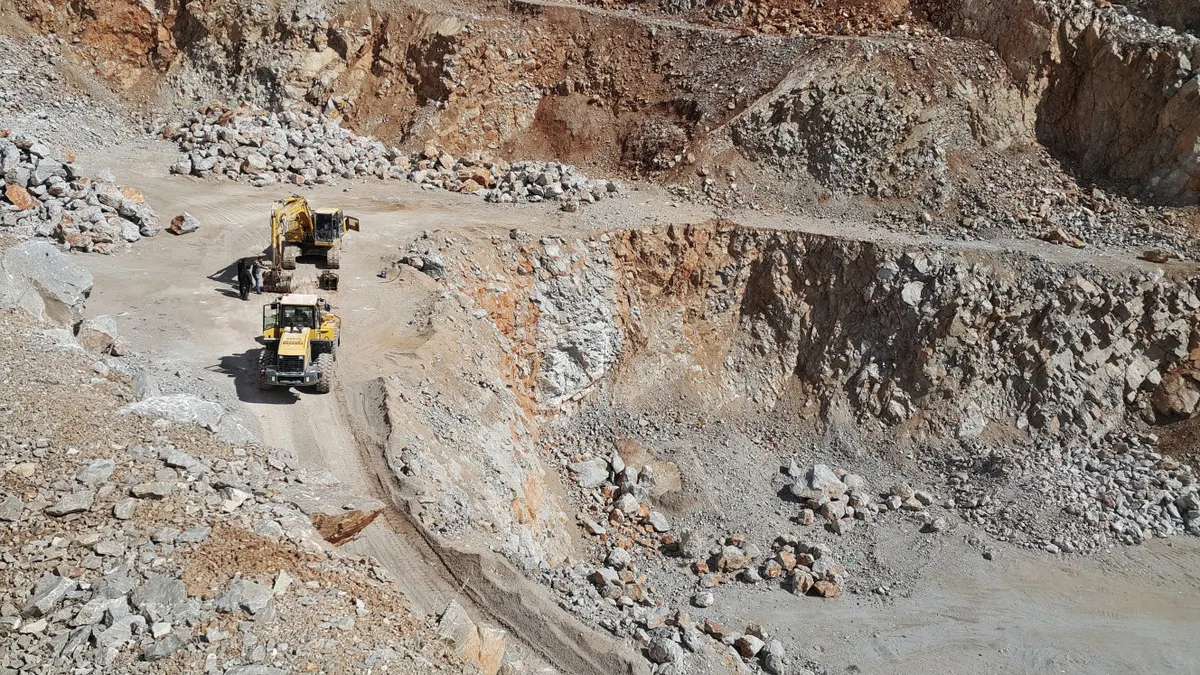
What Is Actually Happening at Tulu Kapi
The operational picture is more advanced than the share price might suggest to a casual observer. KEFI’s AGM statement dated 29 June 2026, published on the London Stock Exchange, confirmed that $426 million had been raised across 2025 and 2026 to fund Tulu Kapi and the company, with one identified tranche accounting for $85 million of that total, equivalent to around 20% of the aggregate.
Separately, This Is Money’s RNS feed reported that on 18 June 2026 KEFI signed a $400 million Tulu Kapi mining contract. That is a construction-phase commitment, not a financing announcement, and it points to the project moving from years of development into actual ground work.
The AGM statement sets the fundraising context clearly: the company is not hunting for its initial project capital any more. The financing stack is being assembled, and a functioning, credibly composed board is part of making that stack hold together.
The Saudi Asset Adds a Second Leg
Tulu Kapi is the headline project, but KEFI also holds the Hawiah copper-gold-zinc deposit in Saudi Arabia. According to the KEFI 2024 Annual Report, the Hawiah mineral resource estimate as of February 2025 stands at 36.2 million tonnes grading 0.82% copper, 0.86% zinc, 0.64 grams per tonne gold and 10.0 grams per tonne silver under the JORC Code (the internationally recognised framework for reporting mineral resources).
That resource base gives KEFI a second asset to potentially monetise once Tulu Kapi is in production. Retail investors who hold KEFI as a single-project gold play may be underweighting the copper and base-metals optionality sitting in Saudi Arabia.
What Shareholders Should Watch
The Callow appointment is constructive but incremental. One non-executive director does not transform governance overnight, and KEFI’s outlined committee restructuring still needs to be implemented, not just announced. The company said it is pleased to outline the plan; the plan is not yet the outcome.
For existing holders, the more consequential near-term question is whether the $426 million financing package closes in full and whether the $400 million mining contract moves into active mobilisation on the ground. A board that looks credible to project lenders helps both of those things. A board that is still being assembled when final drawdown (the scheduled release of committed funds into a project) is due to happen creates friction at exactly the wrong moment.
Watch for a further board announcement confirming committee appointments. That would signal the restructuring is substantive rather than staged. Until then, Callow’s appointment is a step in the right direction, taken at a speed that leaves room for more urgency.
