

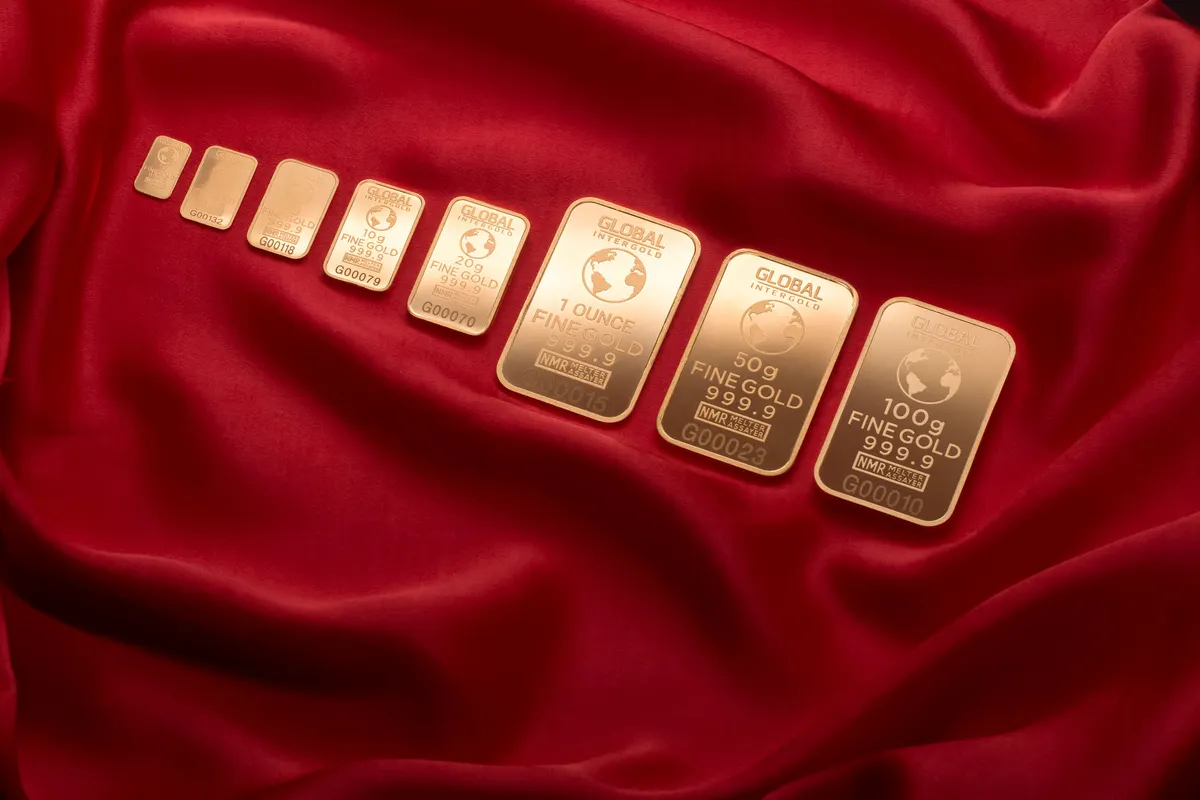

XM GOLD24-7 weekend trading is now live, giving retail clients the ability to buy and sell gold as a contract for difference (CFD) on Saturdays and Sundays when the underlying spot and futures markets are closed. The launch makes XM one of a growing cluster of retail brokers that have moved to fill the roughly 48-hour gap between Friday’s market close and Monday’s reopening.
What XM GOLD24-7 Weekend Trading Actually Offers
A CFD (a contract that tracks the price of an asset without the trader owning it directly) on gold has, until recently, only been available during standard exchange hours. GOLD24-7 removes that restriction. Traders on XM, which claims more than 20 million clients and access to over 1,400 global assets, can now open or close a gold position on any day of the week.
Stavri Morti, Co-CEO at XM, framed the rationale clearly: ‘Markets don’t stop generating news simply because it’s the weekend.’ He pointed to ‘economic data, geopolitical developments and breaking news’ as weekend drivers of sentiment, and said GOLD24-7 gives clients ‘greater flexibility to respond to those developments as they happen, instead of waiting until Monday.’
The product is broker-priced, meaning XM sets the weekend price rather than routing the order to an exchange. That matters for retail traders: the price you see reflects XM’s internal model of where gold would trade if markets were open, not a live exchange feed. Spreads on the platform start from 0.8 pips on standard instruments, though weekend pricing on any broker-priced product can differ from weekday conditions.
A Market Trend That Started on the Institutional Side
XM is not moving in isolation. Last month, Vantage Markets launched XAUUSD247, its own seven-day gold CFD. CMC Markets introduced weekend gold trading in April. The competitive pressure is real: retail clients who want to act on a Saturday headline have until now been forced to wait, carrying unhedged exposure.
The institutional market moved earlier. In March, Scope Prime, the institutional arm of Rostro Financial Group, introduced DIGIXAU, a continuous gold CFD designed to give institutional clients uninterrupted exposure to gold price movements beyond traditional market hours. According to TradeInformer, DIGIXAU runs 24 hours a day, seven days a week. Scope Prime subsequently rolled the product out to all institutional clients, describing it as a tool for managing exposure during weekend market closures.
In June, Match-Prime Liquidity followed through its Cyprus-regulated entity, launching 24/7 CFDs covering gold, silver, oil and US indices. Match-Prime supplies pricing to brokers rather than to retail traders directly. Andreas Kapsos, Chief Executive Officer of Match-Prime Liquidity, said that ‘broker demand for 24/7 access has been clear for some time’, and that the firm had aimed to keep integration straightforward for brokers using existing infrastructure and onboarding processes.
That sequencing matters. Liquidity infrastructure tends to precede retail product availability: brokers generally need a wholesale pricing source before they can offer a retail instrument. The arrival of DIGIXAU and Match-Prime’s 24/7 pricing in the first half of the year appears to have lowered the barrier for retail brokers launching their own weekend products in the months since.
LMAX Group has taken a different approach, launching perpetual gold futures earlier this year as an exchange-traded product rather than a broker-priced CFD. That distinction is worth keeping in mind. Exchange-traded instruments carry a central counterparty and published pricing; broker-priced CFDs do not. For retail clients, the practical difference lies in transparency of pricing and the credit risk of the counterparty.
For holders of gold CFD positions at any of the brokers now offering weekend trading, the key question going forward is execution quality on weekends: whether spreads widen materially relative to weekday levels and how prices behave around sudden geopolitical events when no exchange is open to anchor them. That experience, rather than the availability of the product itself, will determine whether weekend gold trading becomes a fixture of retail portfolios or a niche tool for a small subset of active traders. The next major geopolitical shock to land on a Saturday will provide the clearest test.