

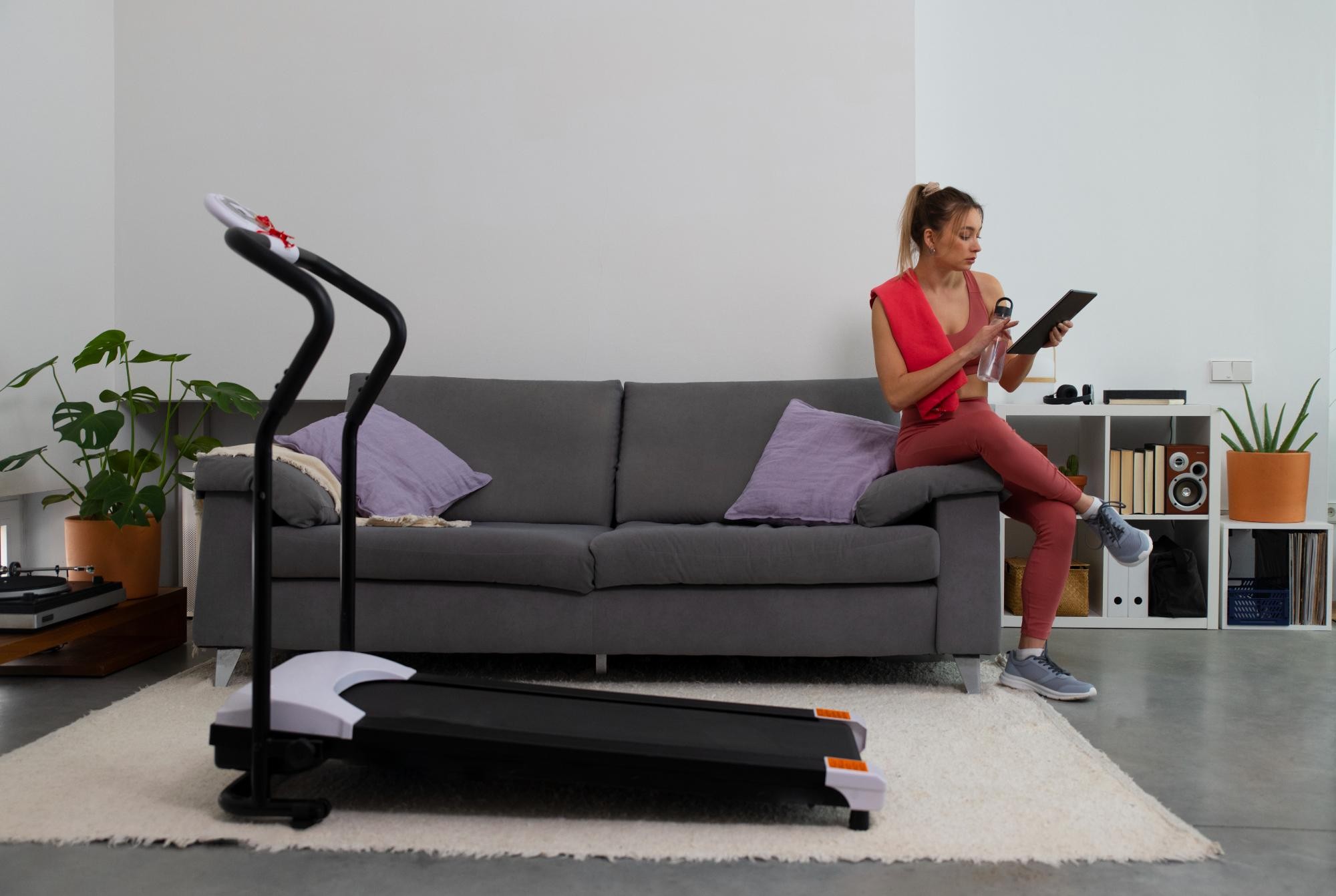

Starting an indoor training regimen might be daunting, but with the appropriate strategy, you can develop strength, endurance, and confidence. Whether you exercise at home or in a gym, it is critical to develop a disciplined plan that allows you to improve safely. This tutorial covers the fundamentals of indoor training, such as equipment selection, program structuring, and key success strategies.
1. Organising Your Indoor Training Space
Before beginning your workouts, make sure you have a comfortable and efficient training area. If you’re training at home, set up a separate place with plenty of space to move around. Make sure the area is well-ventilated, has appropriate flooring to avoid injuries, and is devoid of distractions.
Take some time in a gym to get to know the layout and equipment offered. Most gyms include separate sections for aerobic machines, free weights, and strength training machines. Knowing where everything is will help you work out more efficiently.
2. Required Equipment for Indoor Training

Having the appropriate equipment can make a big difference in your training results. If you work out in a gym, you will have access to a variety of machines and free weights. At home, purchasing a few necessary goods might help you get started.
Dumbbells
Dumbbells are one of the most adaptable tools for strength training. They are suitable for a variety of workouts, such as bicep curls, shoulder presses, lunges, and squats. Adjustable dumbbells are an excellent choice for home training, as they allow you to raise the weight as you advance.
Treadmills
Treadmills are a wonderful way to improve cardiovascular health. Whether you enjoy walking, jogging, or running, treadmills allow you to adjust the speed and incline to meet your fitness level. If you work out at a gym, most treadmills include preset programs that might help you vary your routine.
Resistance Bands
These are an excellent substitute for free weights and can be used for strength training, mobility work, and rehabilitation exercises. Resistance bands are particularly handy for home workouts because they take up very little room.
Yoga Mat
A high-quality yoga mat is required for bodyweight movements, stretching, and core routines. It offers support and cushioning, lowering the impact on joints.
3. Structure Your Indoor Workouts

To make the most of your workouts, stick to a regular schedule that includes warm-up, strength training, aerobic exercise, and cool-down.
Warm-up (5–10 minutes)
A healthy warm-up prepares your body for exercise and lowers the likelihood of damage. Begin with light cardio on a treadmill or do dynamic stretches like arm circles, leg swings, and torso twists. Jumping jacks and high knees are also effective strategies to raise your heart rate.
Strength Training (20-30 minutes)
Strength training is vital for muscle mass, bone density, and metabolism. Beginners should focus on full-body workouts that include dumbbells and bodyweight movements.
- Upper Body Exercises: Push-ups, dumbbell shoulder presses and bent-over rows.
- Lower Body Exercises: Squats, lunges, and glute bridges.
- Planks, Russian twists, and leg lifts comprise the core exercises.
Perform each exercise 10-15 times, completing 2-3 sets. If you’re using dumbbells, start with a modest weight and gradually increase as you gain strength.
Cardiovascular Training (15-20 minutes)
Cardio workouts boost heart health, endurance, and calorie burn. You can add a treadmill workout, a stationary bike ride, or a jumping rope activity. Beginners should begin with moderate-intensity workouts, gradually increasing speed and duration.
Walking or jogging on a treadmill: Begin at a moderate pace for 5 minutes before progressively increasing speed for 10-15 minutes.
HIIT (High-Intensity Interval Training): For a 15-minute session, alternate 30 seconds of high-intensity sprinting with 60 seconds of slow walking.
Cool-down and stretching (5–10 minutes)
Cooling down causes your heart rate to return to normal, reducing pain. For a few minutes, walk slowly on the treadmill, then stretch your legs, arms, and back statically.
4. Indoor Training Tips for Beginners.
Starting a new exercise regimen might be difficult, but the following advice can help you stay on track:
Start Slowly & Progress Gradually
It is tempting to push oneself too hard in the beginning, but overtraining can result in injuries and burnout. Begin with lesser weights and shorter exercises, increasing intensity as you gain strength.
Focus On Proper Form
Maintaining proper form is critical to avoiding injuries and increasing effectiveness. If you’re unsure about a movement, consult a gym trainer or watch instructional videos before attempting it.
Stay Consistent
Consistency is essential for observing development. To keep motivated, train at least three to four times a week and set realistic goals. Creating a fitness schedule can help you create a regular.
Listen To Your Body
Soreness is normal, but severe pain or discomfort may suggest poor technique or misuse. Take rest days as needed to allow your muscles to recuperate.
Stay Hydrated & Eat Well
Proper diet and hydration are essential for peak performance and recovery. Drink plenty of water before, during, and after your workout. A well-balanced diet rich in protein, healthy fats, and carbohydrates can help you build muscle and maintain your energy levels.
5. Overcoming Common Challenges
Lack of Motivation
If you struggle with motivation, consider defining precise goals, tracking your progress, and rewarding yourself when you reach milestones. Listening to music or doing guided workouts can also help you stay interested.
Limited Time
Short on time? High-intensity workouts can be equally beneficial in 20-30 minutes. Concentrate on compound exercises that engage numerous muscular groups, and use circuit-style training.
Not Seeing Results
Results take time, so be patient and persistent. If you reach a plateau, try modifying your regimen by adding weights, switching exercises, or increasing the intensity of your cardio sessions.
Start With Long Term View
Indoor exercise is a handy and effective technique to increase fitness. Beginners can improve their strength, endurance, and confidence by starting with the basics, using equipment such as dumbbells and treadmills, and sticking to a scheduled routine. The goal is to maintain consistency, listen to your body, and enjoy the process. Every workout, whether at home or the gym, helps you get closer to your goals. Stay committed, and you’ll notice results in no time!
