
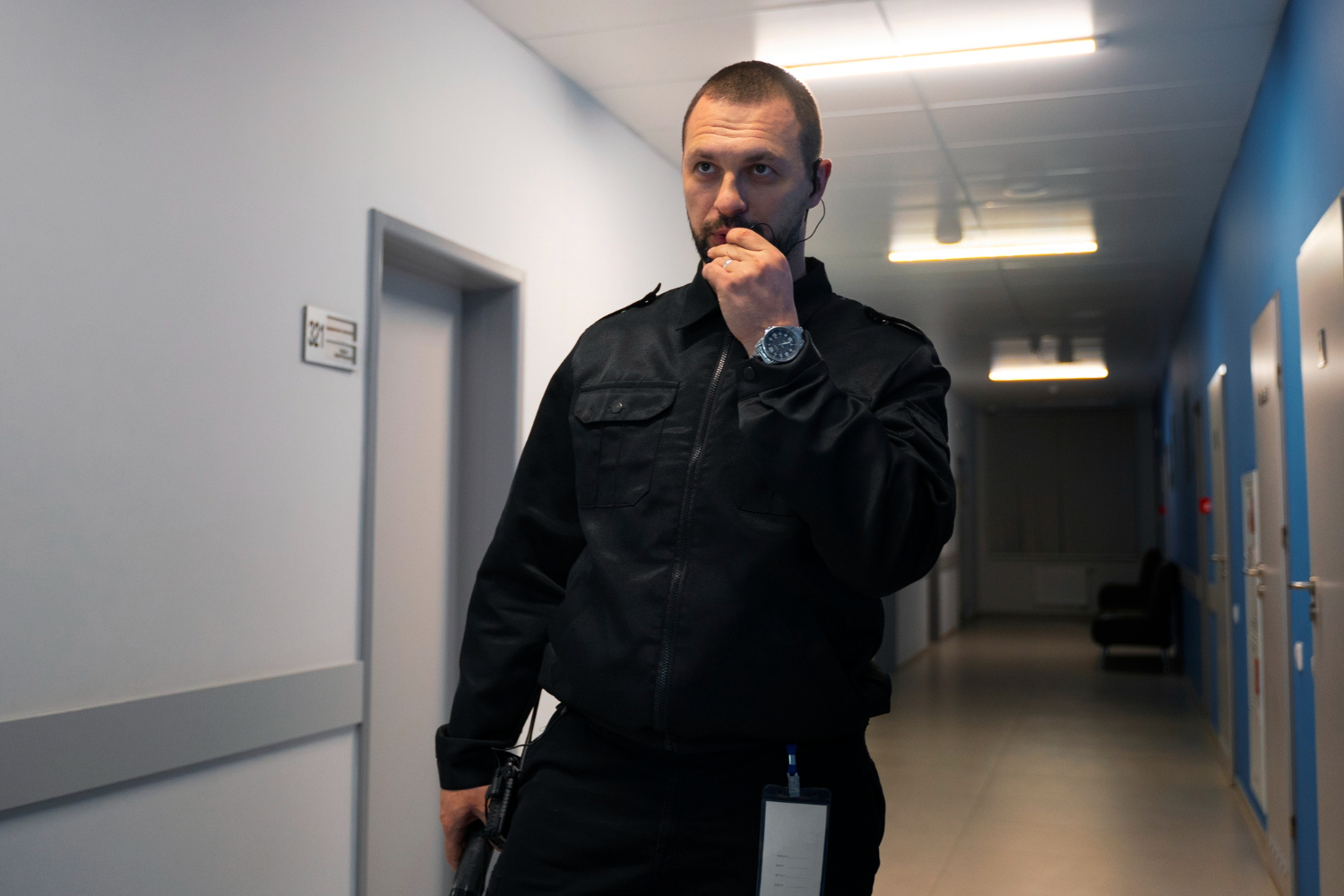

A corrections officer once held up a handheld device like a prize. Slightly worn, nothing flashy, but it did the job. “This keeps me from forgetting,” he said, half-joking, half serious. The screen blinked with icons—reminders, check-ins, notes from earlier that day. For a moment, I thought about how simple that device looked—and how much weight it carried.
Before digital tools like JailCore, most jail tasks were manual, deeply repetitive, and frustratingly slow. Officers filled out logbooks, ticked boxes, and chased paperwork across shifts. It was a system held together by habit, not efficiency. And when something slipped through the cracks—a missed check, a late medication—it was usually caught too late.
By replacing that paper trail with real-time, mobile tools, JailCore has filled an often overlooked gap. Staff can now use rugged mobile devices to log inmate checks, record health data, and track movements instantly. Every entry is timestamped, synced, and archived. This has significantly reduced errors, while also freeing up staff to spend more time on actual human supervision rather than pushing pens.
During the pandemic, this capability became particularly beneficial. JailCore gave staff a way to conduct health screenings without being physically close. Temperature logs, isolation status, and symptoms could all be tracked at a distance. That kind of flexibility wasn’t just efficient—it was protective.
In facilities like Franklin County Jail, JailCore has become a quiet backbone. It’s not a flashy piece of tech trying to do everything. It focuses tightly on what jails need most: consistent monitoring, instant reporting, and rock-solid accountability. Miss a round, and your supervisor sees it. Log a medication late, and it’s flagged. This isn’t about catching people—it’s about protecting people from mistakes.
It’s easy to underestimate how important consistency is in jail operations. Officers move from unit to unit, day to night. Without continuity, things get missed. What JailCore does remarkably well is maintain that continuity. It creates a record that lives beyond the shift change, one that supervisors can actually act on. For officers, that means fewer misunderstandings. For inmates, that means fairer processes.
One supervisor showed me a color-coded dashboard on his monitor—green meant done, yellow was nearly late, red meant missed entirely. “I used to walk around and just hope everything got done,” he said. “Now I know.” That line stayed with me. Because hope isn’t a strategy, especially not in a high-risk environment.
By integrating digital rounds, property management, and supply tracking into a single platform, JailCore reduces the mental load officers carry. No more wondering if inmate #237 received toothpaste, or if the person in Cell C12 had their allergy meds. Everything is logged, reviewed, and available across units. It’s a system designed to remember when humans can’t.
JailCore also streamlines inmate profiles with surprisingly detailed accuracy. Officers can log physical identifiers, arrest information, and medical alerts—all of which become especially helpful during transfers or emergencies. Features like barcode scanning and biometric tagging significantly reduce mix-ups and speed up processes that once took hours.
In recent years, many facilities have added communication systems, wearable alerts, and AI-based behavior analytics. JailCore integrates with many of these systems, but doesn’t try to compete with them. Instead, it strengthens the base—what’s known, what’s logged, what’s proven. This foundation supports both newer tech and older systems that are still catching up.
Some might wonder if these tools make staff overly reliant on screens. That’s a fair concern. But after sitting in on several shift reviews and facility walkthroughs, I came away with a different impression. JailCore doesn’t replace judgment. It reinforces it. Officers still make decisions—but now they have a history, a record, a context.
In the middle of a tour, I watched an officer pause to log a brief comment on an inmate check. It took less than ten seconds. “That log could be what keeps me out of a hearing,” he said quietly. I thought about that moment for a long time afterward. It wasn’t fear—it was a sober acknowledgment of the importance of transparency.
Digital visitation logs and calling records are also part of JailCore’s capabilities. These systems not only reduce administrative headaches but allow for more streamlined contact between inmates and families. Especially during restricted visitation periods, the software offered a bridge that was both monitored and secure.
The same interface that logs grievances also tracks responses. This feature has notably improved how inmate complaints are handled. When every step is recorded, the process becomes fairer and faster. It reduces the chance that a complaint will vanish into the noise. It also builds a culture where officers know their responses are seen.
Through smart design choices and user-focused functionality, JailCore has made digital transformation approachable in a sector that rarely has the luxury of fast change. Instead of overhauling the system, it fits into the rhythm of jail life. That’s likely why it works.
Many tech companies chase innovation by offering everything at once. JailCore took a slower, steadier approach. It picked the most repetitive, high-stakes tasks—and simply did them better. The results? Exceptionally clear logs, highly efficient task tracking, and significantly faster response times.
JailCore might not win design awards or trend on tech blogs. But it doesn’t have to. Its impact is felt where it matters—inside quiet corridors, behind locked doors, and on the small screens of officers who now spend more time watching people than chasing paperwork. That, in itself, feels like progress.
